Introduction
Building wealth doesn’t happen overnight. A Investment Plan for Long-Term Wealth is the foundation of financial freedom, stability, and future security.
Whether you are a beginner or someone who has already started investing, having a structured plan helps you:
- Stay disciplined
- Avoid emotional decisions
- Grow wealth steadily
In this guide, we will break everything down into simple, actionable steps so that even beginners can start their journey confidently.
What is an Investment Plan?
An Investment Plan for Long-Term Wealth is a structured strategy where you allocate money into different assets over time to grow your wealth.
It includes:
- Financial goals
- Investment choices
- Risk tolerance
- Time horizon
👉 Think of it as a roadmap guiding your financial journey.
Why Long-Term Wealth Matters
Long-term investing is powerful because of:
1. Compounding Growth
Your money earns returns, and those returns generate more returns.
2. Reduced Risk
Long-term investments reduce market volatility impact.
3. Financial Freedom
You can achieve goals like:
- Retirement
- Buying a house
- Child education
👉 A well-designed Investment Plan for Long-Term Wealth ensures stability and growth.
How Inflation Impacts Your Investment Plan for Long-Term Wealth
Step-by-Step Investment Plan
Inflation silently reduces the purchasing power of your money over time. What costs ₹100 today may cost ₹200 in the future.
If your investments don’t beat inflation, you’re actually losing money in real terms.
A strong Investment Plan for Long-Term Wealth should always aim to generate returns higher than inflation.
Example:
- Inflation rate: 6%
- Investment return: 5%
👉 Real return = -1% (loss)
This is why relying only on fixed deposits or savings accounts is not enough.
To protect your wealth:
- Invest in equities for growth
- Include assets like gold or real estate
- Diversify your portfolio
👉 Beating inflation is key to real wealth creation.
Step 1 – Define Your Financial Goals
Before investing, ask yourself:
- Why am I investing?
- What are my goals?
Examples:
- Retirement corpus
- Emergency fund
- Wealth creation
👉 Clear goals = Clear direction
How Much Should You Invest for Long-Term Wealth?
A common question beginners ask is how much to invest. A simple rule is to invest at least 20–30% of your monthly income toward your Investment Plan for Long-Term Wealth.
If you’re just starting, begin small and increase gradually with income growth. The key is consistency, not the amount.
👉 Even ₹2,000–₹5,000 per month can grow significantly over time with disciplined investing.
Step 2 – Understand Your Risk Tolerance
Risk tolerance depends on:
- Age
- Income stability
- Financial responsibilities
Types:
- Conservative
- Moderate
- Aggressive
👉 Your Investment Plan for Long-Term Wealth must match your risk profile.
Step 3 – Choose Investment Options
Equity (Stocks)
- High returns
- High risk
- Best for long-term wealth
Mutual Funds
- Professionally managed
- Diversified
- Beginner-friendly
Fixed Deposits
- Safe
- Low returns
- Suitable for stability
Gold & Real Estate
- Hedge against inflation
- Long-term asset value
- RBI website (for bonds info)
- SEBI investor education page
Step 4 – Asset Allocation Strategy
Asset allocation is the backbone of your Investment Plan for Long-Term Wealth.
Example:
- 60% Equity
- 30% Debt
- 10% Gold
👉 This balances risk and return.
👉 Related Read:
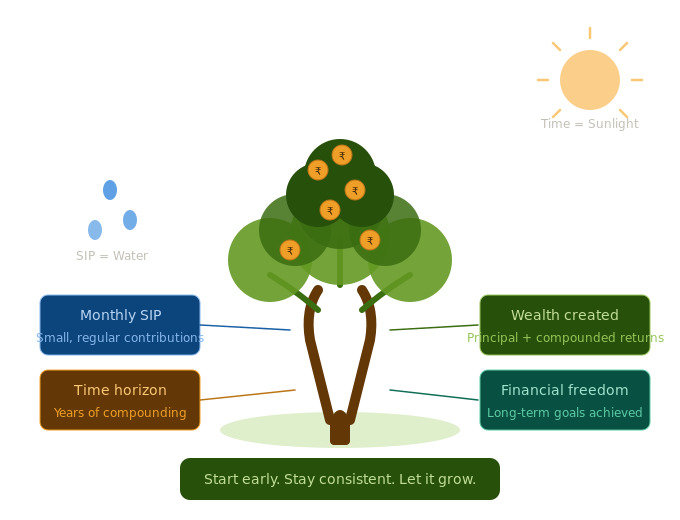
Step 5 – Start SIP (Systematic Investment Plan)
SIP helps:
- Invest regularly
- Avoid market timing
- Build discipline
Example:
Invest ₹5,000/month → grows significantly over time.
Step 6 – Monitor & Rebalance
- Review every 6–12 months
- Adjust allocation
- Track performance
👉 A dynamic Investment Plan for Long-Term Wealth adapts with time.
Power of Compounding in Investment Plan for Long-Term Wealth
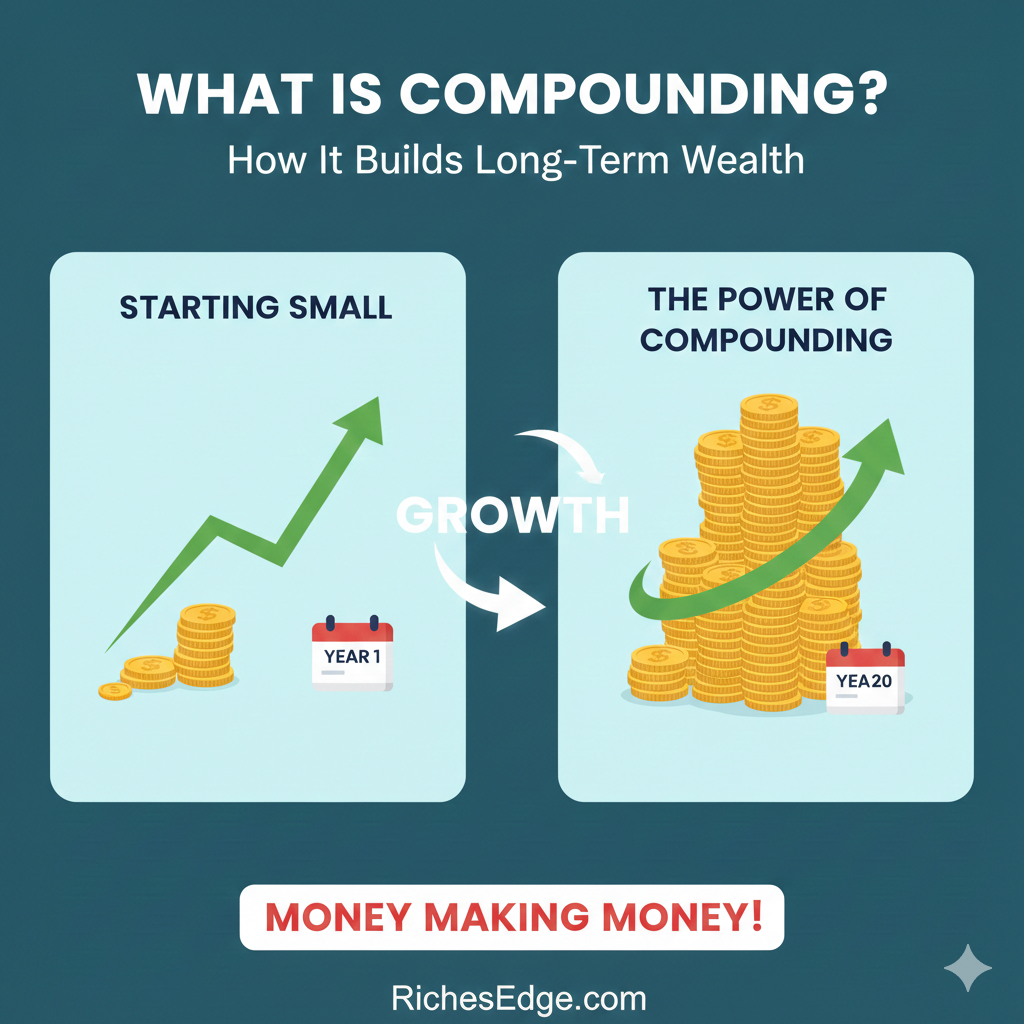
Compounding is the engine that drives long-term wealth creation.
It means earning returns not only on your investment but also on the returns generated over time.
The earlier you start, the more powerful compounding becomes.
Example:
- ₹5,000/month for 25 years at 12% return
👉 Total Investment: ₹15 lakh
👉 Final Value: ₹85+ lakh
That’s the magic of compounding.
In your Investment Plan for Long-Term Wealth, consistency matters more than timing the market.
👉 Start early, stay invested, and let compounding do the heavy lifting.
Types of Investment Strategies
Passive Investing
- Index funds
- Low cost
- Stable returns
Active Investing
- Requires research
- Higher risk
- Potential higher returns
Value Investing
Buy undervalued stocks and hold long-term.
Growth Investing
Invest in high-growth companies.
Best Tools & Apps to Manage Your Investment Plan for Long-Term Wealth
Managing your investments is easier than ever with digital tools.
Using the right platforms can help you track, analyze, and optimize your Investment Plan for Long-Term Wealth.
Popular Tools:
- Portfolio tracking apps
- Mutual fund investment platforms
- Stock market apps
Benefits:
- Real-time tracking
- Goal-based investing
- Performance insights
These tools help you stay disciplined and make informed decisions.
👉 Technology simplifies investing and improves consistency.
Risk vs Return Explained
Higher returns come with higher risk.
| Investment Type | Risk | Return |
|---|---|---|
| Fixed Deposit | Low | Low |
| Bonds | Medium | Medium |
| Stocks | High | High |
👉 Balance is key in an Investment Plan for Long-Term Wealth.
Common Mistakes to Avoid
1. Not Starting Early
Time is your biggest advantage.
2. Emotional Investing
Avoid panic selling.
3. Lack of Diversification
Never put all money in one asset.
4. Ignoring Inflation
Returns must beat inflation.
5. Overtrading
Frequent buying/selling reduces returns.
Real-Life Example of Investment Plan for Long-Term Wealth
Let’s understand with a simple example:
Rahul invests ₹10,000/month for 20 years.
- Expected return: 12%
- Total investment: ₹24 lakh
- Final value: ₹1 crore+
👉 That’s the power of a disciplined Investment Plan for Long-Term Wealth.

FAQs
How much should I invest monthly?
Start with 20–30% of your income.
Is long-term investing safe?
Yes, if diversified properly.
Can beginners create an investment plan?
Absolutely. Start simple and grow gradually.
What is the ideal duration?
Minimum 5–10 years for wealth creation.
Tax Planning in Investment Plan for Long-Term Wealth
Tax planning is a crucial part of any Investment Plan for Long-Term Wealth.
Smart investors don’t just focus on returns — they focus on post-tax returns.
Tax-Saving Options:
- ELSS Mutual Funds
- PPF
- NPS
These not only save taxes but also contribute to long-term wealth creation.
👉 Efficient tax planning = Higher net returns.
Final Thoughts
Creating an Investment Plan for Long-Term Wealth is not complicated — it just requires:
- Discipline
- Patience
- Consistency
Instead of chasing quick profits, focus on:
✔ Long-term growth
✔ Smart asset allocation
✔ Regular investing
👉 Remember: Wealth is built slowly, but surely.