Starting your investment journey does not require lakhs of rupees. In fact, you can start investing with ₹5,000 in India and build a strong financial future.
Many beginners believe investing is only for wealthy individuals or finance experts. The truth is completely different. With modern financial platforms, mobile apps, and beginner-friendly investment products, anyone can start small and grow their wealth over time.
Even a small amount like ₹5,000 can begin your journey toward financial independence if invested wisely and consistently.
In this guide, you will learn:
- How beginners can start investing in India
- The best investment options for ₹5,000
- Step-by-step investment strategy
- Mistakes beginners should avoid
- Smart tips to grow small investments
Whether you are a student, working professional, or someone starting their financial journey, this beginner investment guide will help you take the first step.

Why You Should Start Investing Early
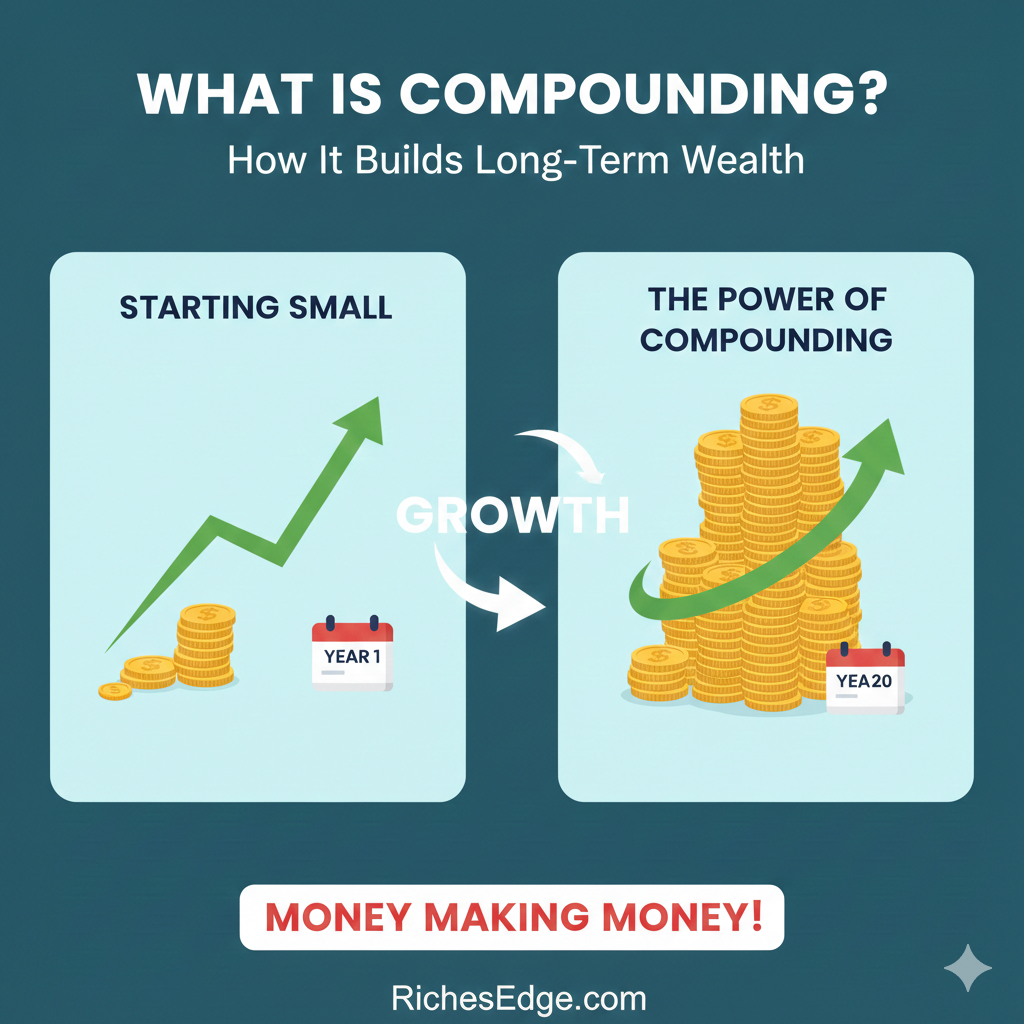
Starting your investment journey early provides a powerful advantage known as compounding.
Compounding allows your money to generate returns, and those returns begin generating additional returns over time. The earlier you start, the more time your money has to grow.
For example:
If you invest ₹5,000 every month for 20 years with an average return of 12%, your investment could grow to over ₹50 lakhs.
This shows that time is more powerful than the amount invested.
Starting early also helps you:
- Build financial discipline
- Handle market fluctuations better
- Achieve long-term goals like retirement or buying a house
- Reduce financial stress in the future
Even a small step today can make a big difference tomorrow.
Can You Really Start Investing with ₹5,000?
Yes, absolutely.
Today, India has many investment platforms that allow beginners to start with small amounts.
You can invest ₹5,000 in:
- Mutual funds
- Stocks
- ETFs
- Digital gold
- Government schemes
Most mutual funds allow SIP investments starting from ₹500 per month, making investing accessible to almost everyone.
Digital platforms and apps have simplified the investment process. You can open an investment account online within minutes.
The key is not the amount you start with, but your consistency and patience.
Step-by-Step Guide to Start Investing in India
If you are new to investing, follow this simple process.
Step 1 – Set Your Financial Goal
Before investing, define your goal.
Examples include:
- Buying a house
- Retirement planning
- Child education
- Emergency fund
- Wealth creation
Your goal determines the type of investment you should choose.
Step 2 – Complete Your KYC
To invest in India, you must complete Know Your Customer (KYC) verification.
Documents required:
- PAN Card
- Aadhaar Card
- Bank account
- Mobile number
This process can be completed online in minutes.
Step 3 – Choose an Investment Platform
There are many reliable platforms where beginners can start investing.
Examples include:
- Mutual fund apps
- Stock brokerage apps
- Direct fund investment platforms
Choose a platform that offers:
- Low fees
- Easy user interface
- Educational resources
Step 4 – Start with Small Investments
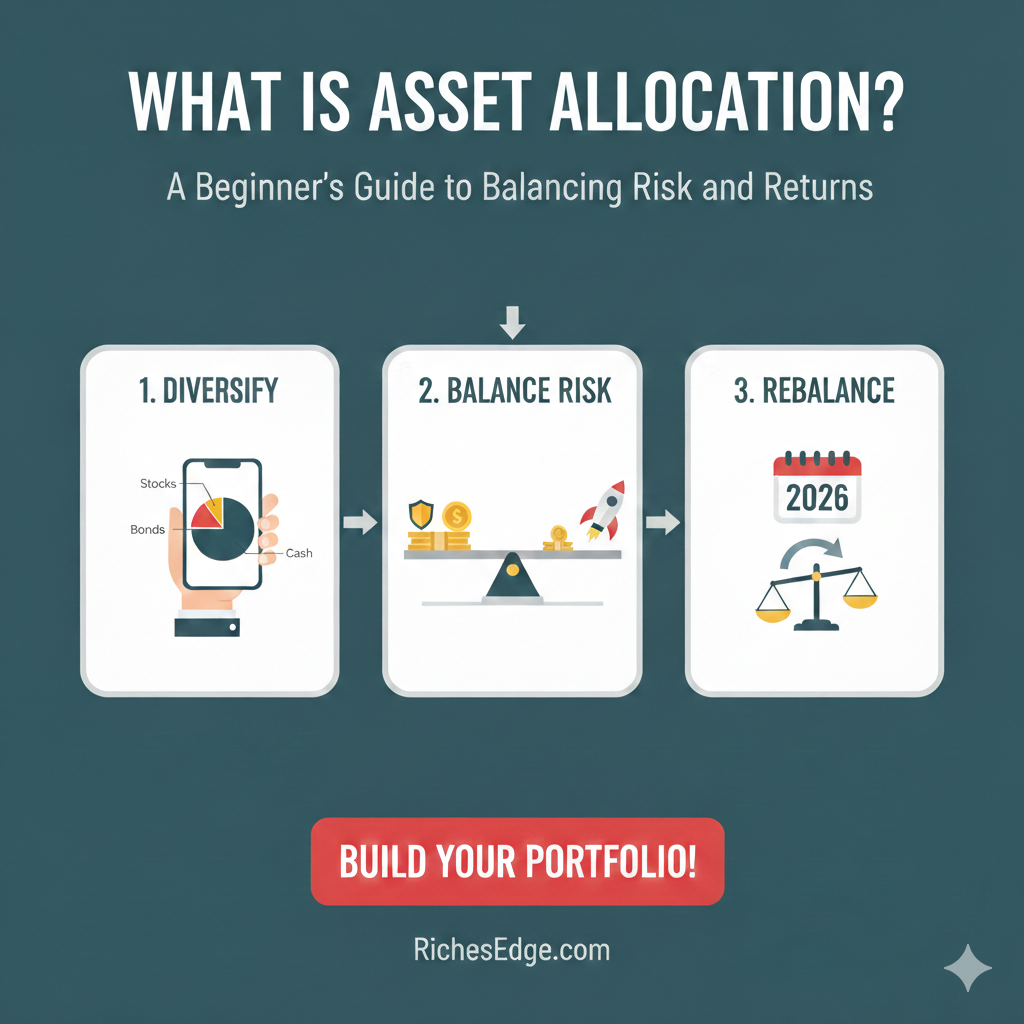
Instead of investing the entire ₹5,000 in one place, diversify.
Example allocation:
₹2,000 – Mutual fund SIP
₹1,500 – Index ETF
₹1,000 – Blue chip stock
₹500 – Digital gold
Diversification reduces risk.
Best Investment Options with ₹5,000 in India
Here are some beginner-friendly options.
1. Mutual Funds (Best for Beginners)
Mutual funds pool money from multiple investors and invest in stocks or bonds.
Advantages:
- Professionally managed
- Diversified portfolio
- Low starting investment
- Ideal for SIP
Equity mutual funds offer higher returns for long-term investors.
2. Index Funds
Index funds track stock market indices like Nifty 50 or Sensex.
Benefits:
- Low expense ratio
- Passive investing
- Good long-term returns
They are considered one of the simplest investment strategies.
3. Direct Stocks
If you want to learn about the stock market, you can invest a small portion in individual stocks.
However, beginners should focus on:
- Large cap companies
- Stable businesses
- Long-term holding
Stock investing requires research and patience.
4. Exchange Traded Funds (ETFs)
ETFs are similar to mutual funds but trade like stocks.
Popular ETF types include:
- Nifty ETFs
- Gold ETFs
- Sector ETFs
They offer diversification with low costs.
5. Digital Gold
Digital gold allows investors to buy gold online in small amounts.
Advantages include:
- Easy to buy
- Secure storage
- Liquidity
However, it should only be a small part of your portfolio.
SIP Investment Strategy for Beginners
Systematic Investment Plans (SIP) allow investors to invest a fixed amount regularly.
Benefits of SIP:
- Rupee cost averaging
- Market discipline
- Lower risk of timing the market
- Long-term wealth building
Example SIP plan with ₹5,000:
₹3,000 – Equity mutual fund
₹1,000 – Index fund
₹1,000 – Flexi cap fund
This creates diversification across multiple sectors.
Risk vs Returns Explained
Every investment has some level of risk.
Understanding risk helps investors make better decisions.
| Investment | Risk Level | Expected Return |
|---|---|---|
| Savings Account | Very Low | 3–4% |
| Fixed Deposit | Low | 5–7% |
| Mutual Funds | Medium | 10–14% |
| Stocks | High | 12–18% |
Beginners should start with moderate risk investments like mutual funds.
Common Mistakes Beginner Investors Make
Many new investors lose money because of avoidable mistakes.
Investing Without Knowledge
Blindly investing based on social media tips can be dangerous.
Trying to Time the Market
Predicting market movements consistently is almost impossible.
Lack of Patience
Wealth creation requires time.
Investing Without Goals
Investments should always be aligned with financial goals.
Avoiding these mistakes will significantly improve your investment success.
Tips to Grow Your ₹5,000 Investment Faster
Here are practical strategies beginners can follow.
Increase SIP Every Year
If your income increases, raise your SIP amount.
Stay Invested Long Term
Long-term investors benefit the most from compounding.
Reinvest Profits
Do not withdraw early profits unless necessary.
Keep Learning
Financial knowledge helps you make smarter decisions.
Related Articles
- How to Calculate Mutual Fund Returns (CAGR vs XIRR Explained)
- How to Start Investing with ₹5,000 in India (Beginner Guide)
- How to Create a Simple Investment Plan for Long-Term Wealth
Final Thoughts
Starting your financial journey does not require a large amount of money. Even a small step like investing ₹5,000 can begin a powerful wealth-building journey.
The most important factors in successful investing are:
- Discipline
- Consistency
- Long-term mindset
Instead of waiting to accumulate large savings, start investing today and gradually increase your investments over time.
Your future self will thank you.
Learn more about investing regulations from: